I've returned from Prague yesterday and I have to say, it was an amazing trip, I can't wait to go back.
I'm gonna be spamming some pictures here (only if photos from Deviantart Stash will show up here, otherwise I'm doomed as forums won't let me upload images for some reason)

The only photo I've posted as of current to Deviantart and Furaffinity was this, it features a ČKD Tatra T3R.P tram arriving to I. P. Pavlova. T3R.P is a renovated variant variant of the iconic Tatra T3 which was popular all around the Eastern Bloc. Despite being manufactured in the '60s and the '70s, Tatra T3s are still an important part of Prague's tram traffic, although the ones running today have all gone through renovations spreading from upgraded electrical equipments to low-floor middle sections.
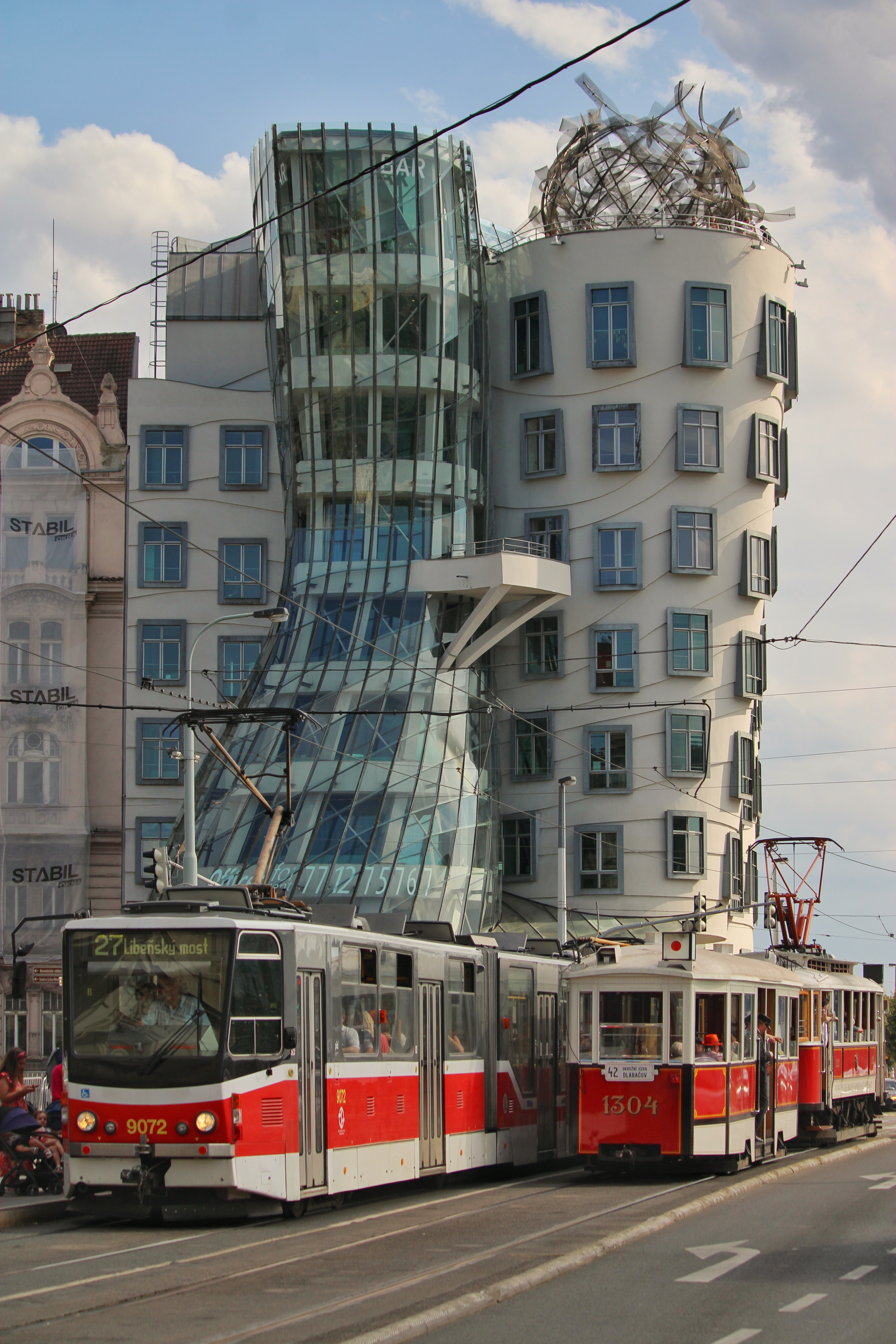
Since I was mostly focusing on public transportation, I feel like I left out plenty of tourist attractions, but Tančící Dům (Dancing House) was not one of them. The building was made planned by Vlado Milunić and Frank Gehry and it resembles a dancing couple (Frank Gehry also referred to the building as Ginger and Fred after dancers Ginger Rogers and Fred Astaire). Obviously I couldn't left out trams, so the photo also features a ČKD Tatra KT8D5R.N2P which is the only fully bi-directional tram in Prague and a Ringhoffer tram with a trailer on nostalgia tram line 42
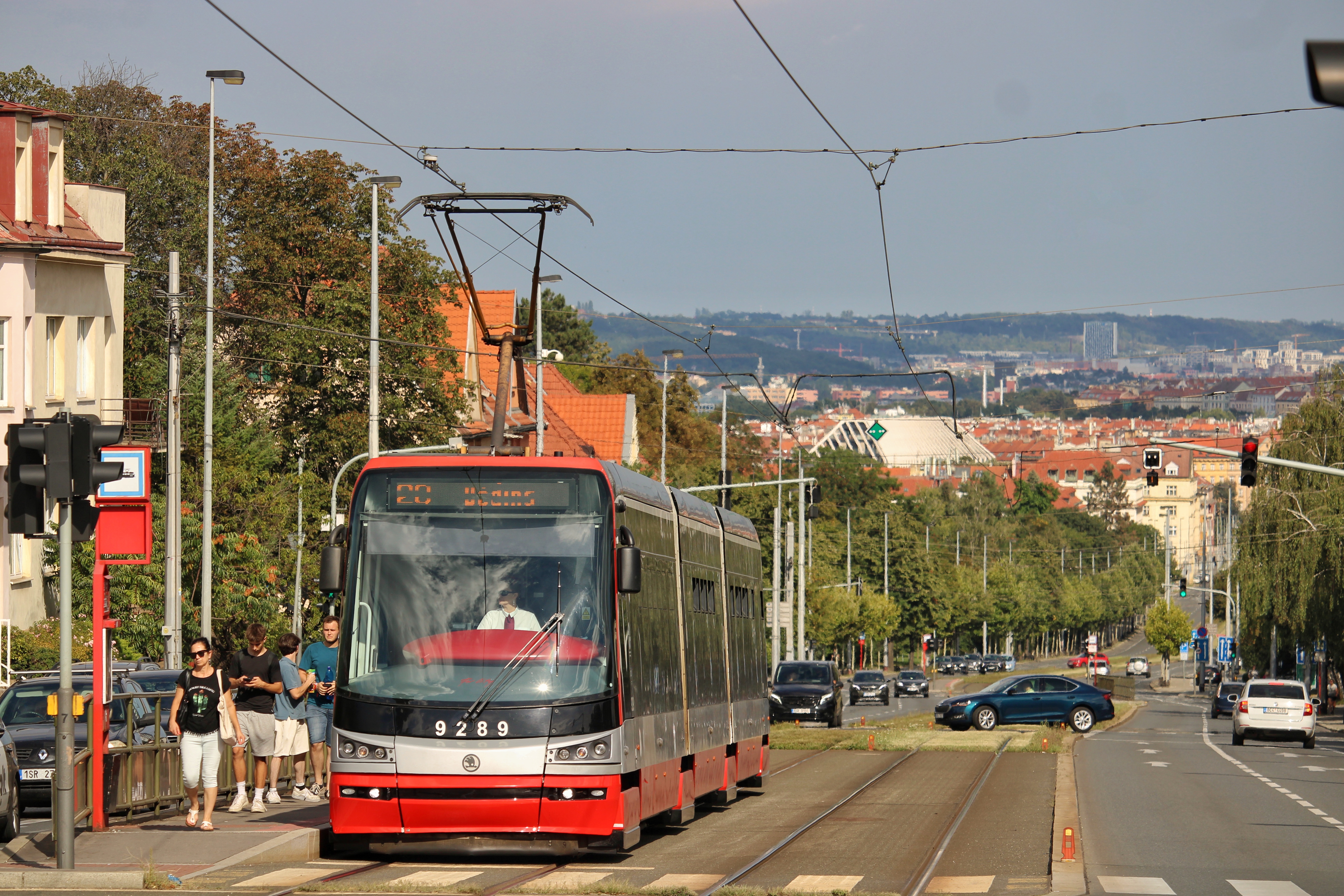
I always loved cities built on hills, so I've got another reason to love Prague. It's full of slopes and whenever you reach a taller point, you've got a spectacular view. Here's the view from Na Pískách, featuring a Škoda 15T ForCity.
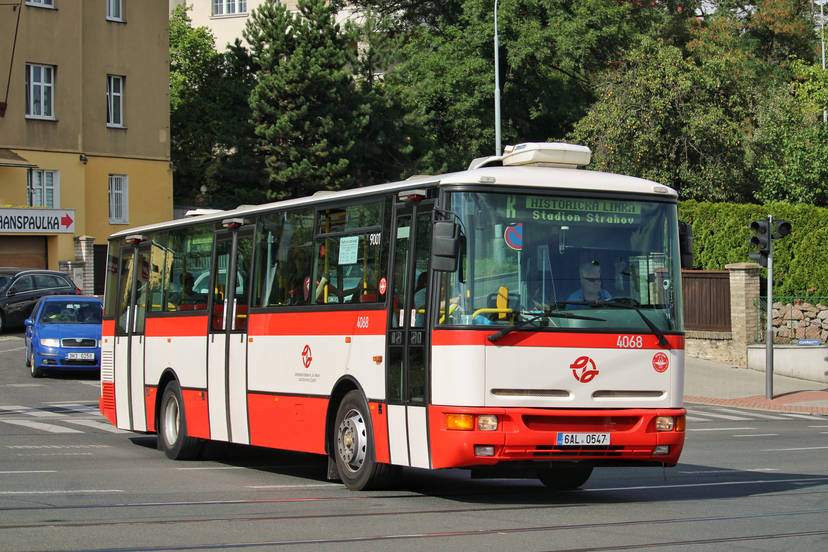
Staying at Na Pískách, I was waiting for nostalgia bus line K which only runs on the weekends (unlike nostalgia trams which run every day of the week), the bus is a Karosa B951E which was one of the latest Karosa buses before it was bought up by Iveco in 2006. Karosa was the biggest bus manufacturer in Czechoslovakia and, similarly to Hungary's Ikarus, it became part of Irisbus in 1999, but unlike Hungary, Irisbus then later Iveco were there to stay and now the former Karosa factory is used by Iveco to build their buses (and Czechs do buy a lot of Iveco buses)
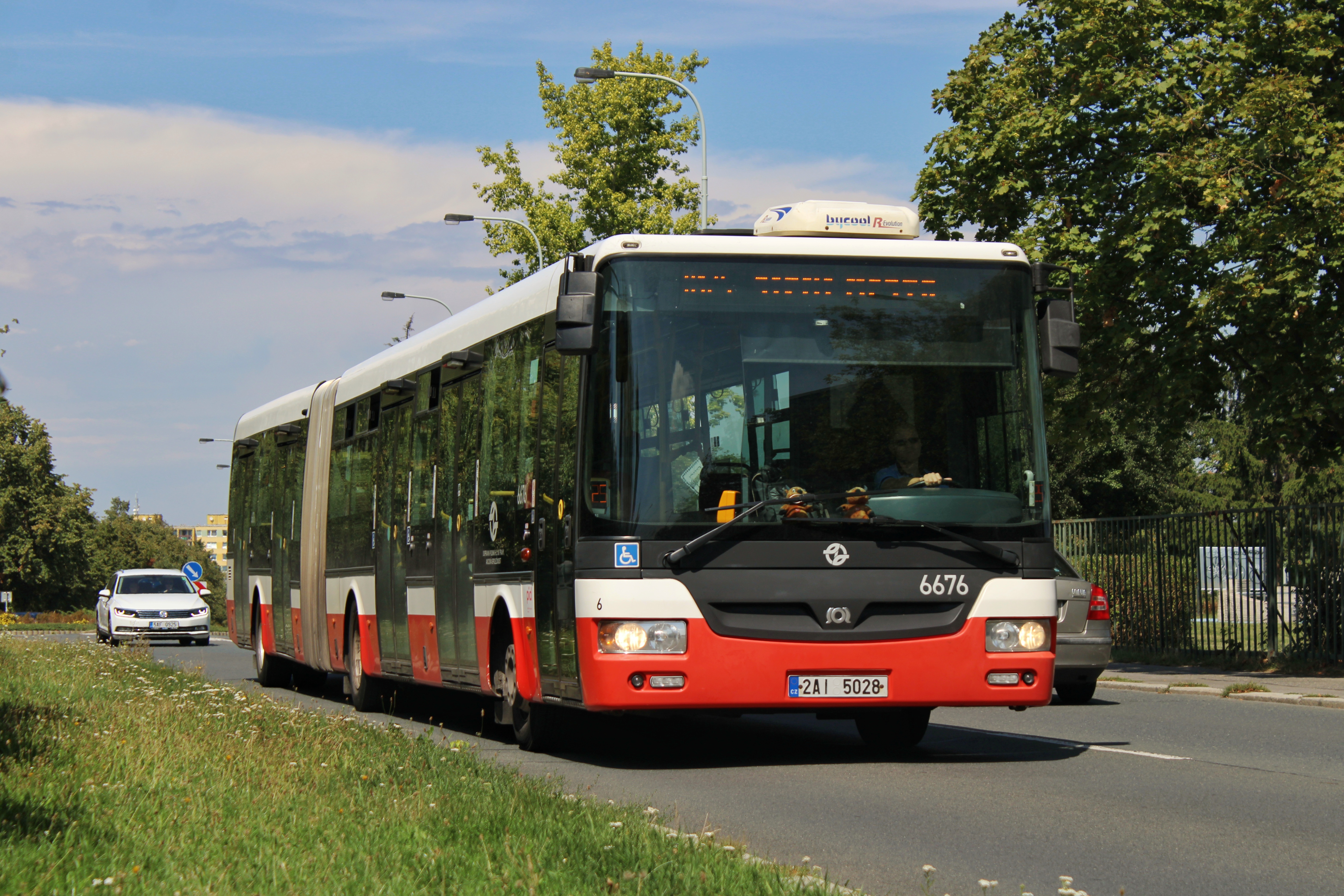
The most prominent bustypes of Prague's bus network are the SOR NB-series, the NB12 and the NB18. What makes them unique that they have a lot of doors, the NB12 has 4 while the NB18 has 5 of them. SOR NB-series was manufactured between 2008 and 2022 and DPP (public transport provider of Prague) bought a huge amount of them. They were actually a pleasant disappointment for me, despite their small wheels and them running on roads paved with setts, they were in a surprisingly good condition, and usually air conditioning worked on them too (if they had AC)
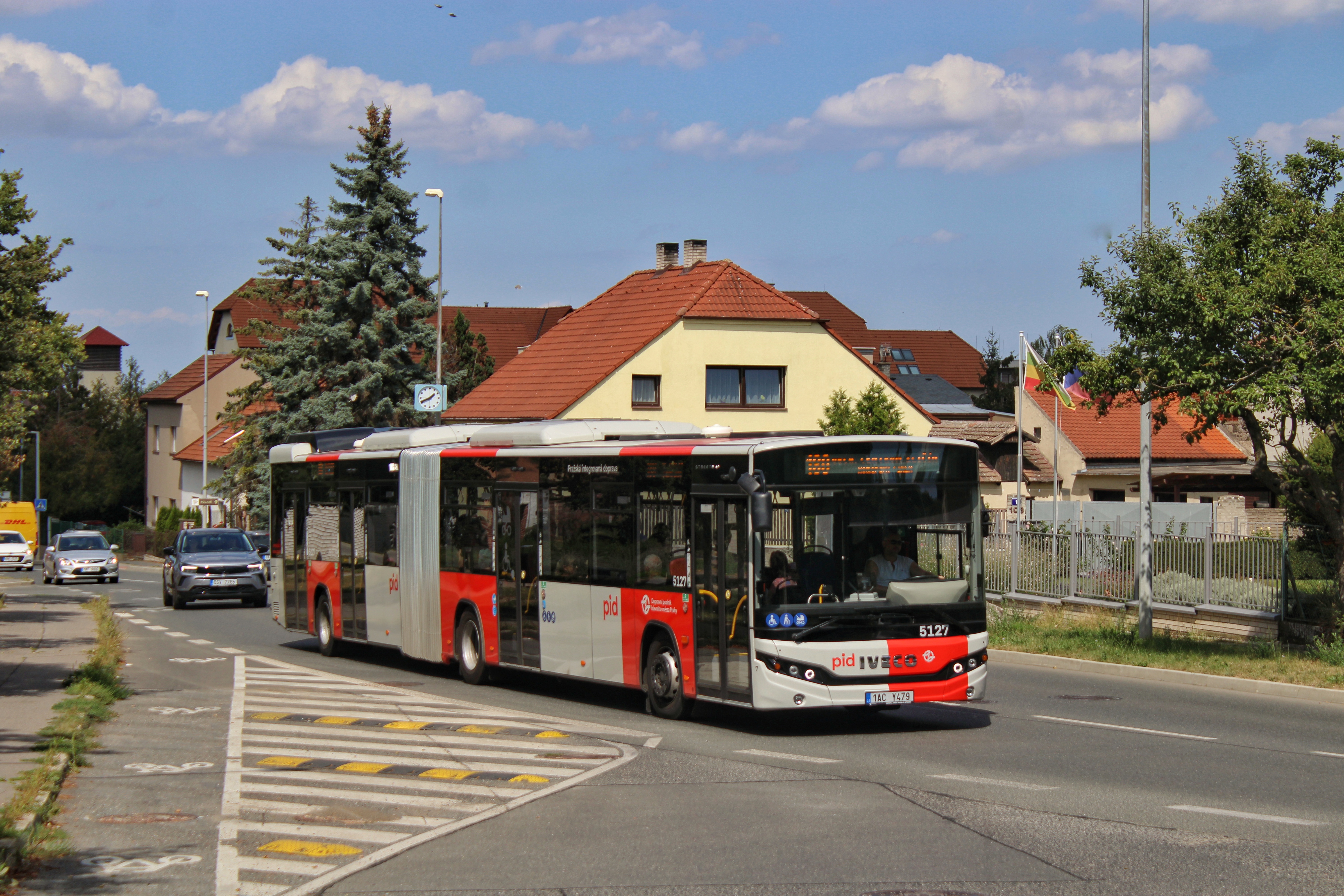
After SOR stopped manufacturing the NB-series, DPP seemingly started turning towards Iveco instead of buying the new SOR NS-series. One of the recent acquisitions of DPP are Iveco Streetway buses which already have the new PID design on them. PID (Prague Integrated Transport) is the integrated public transport system of Prague and the surrounding areas, the uniform design was introduced in 2021 and ever since it's been applied to some older vehicles and all new vehicles that come to Prague from various operators.
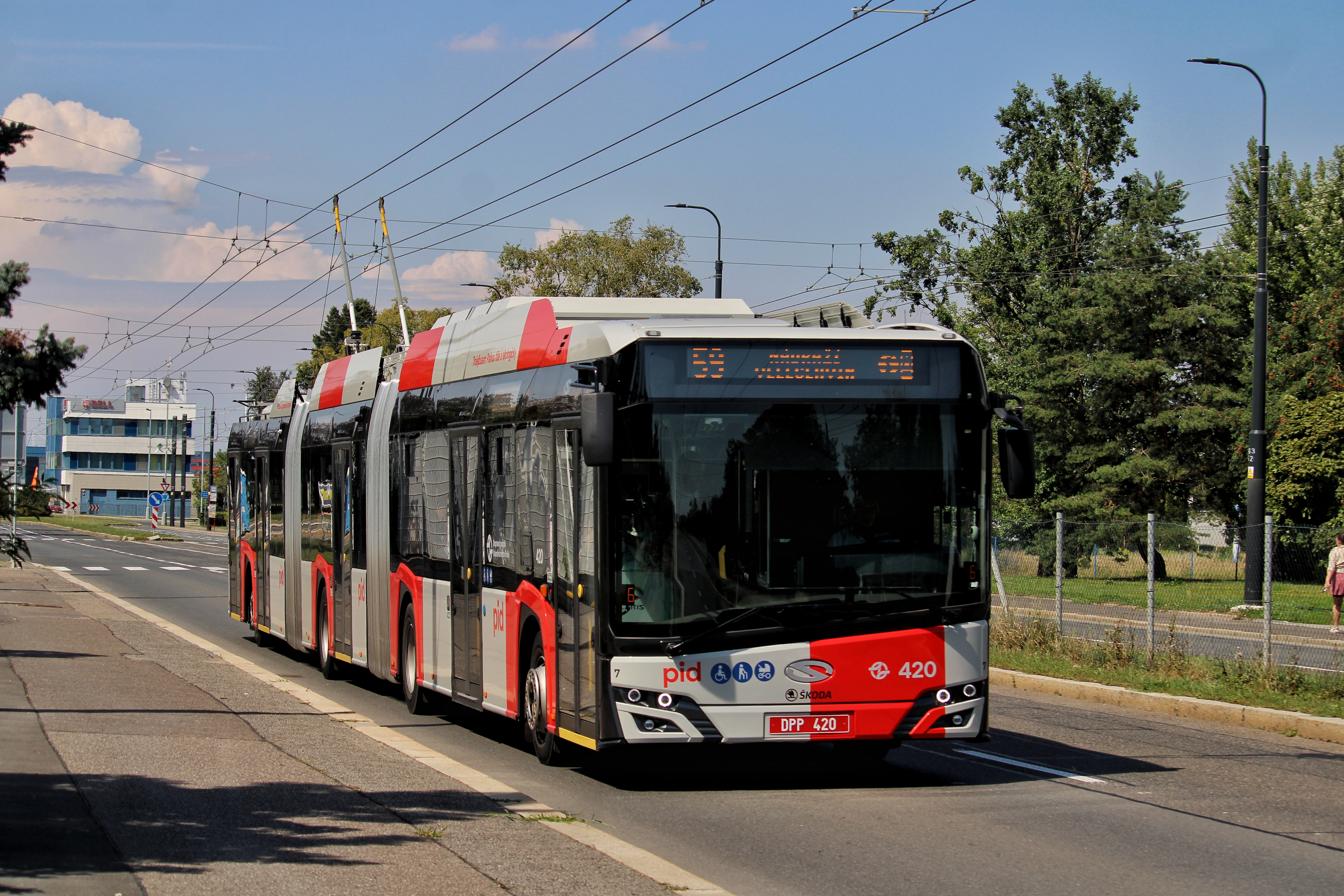
Trolleybus transport was reintroduced in Prague in the recent few years, they currently have to trolleybus lines, line 58 and 59. Line 59 runs between Prague-Veleslavin train station and Václav Havel Airport and it has double-articulated Solaris Trollino 24m trolleybuses on it
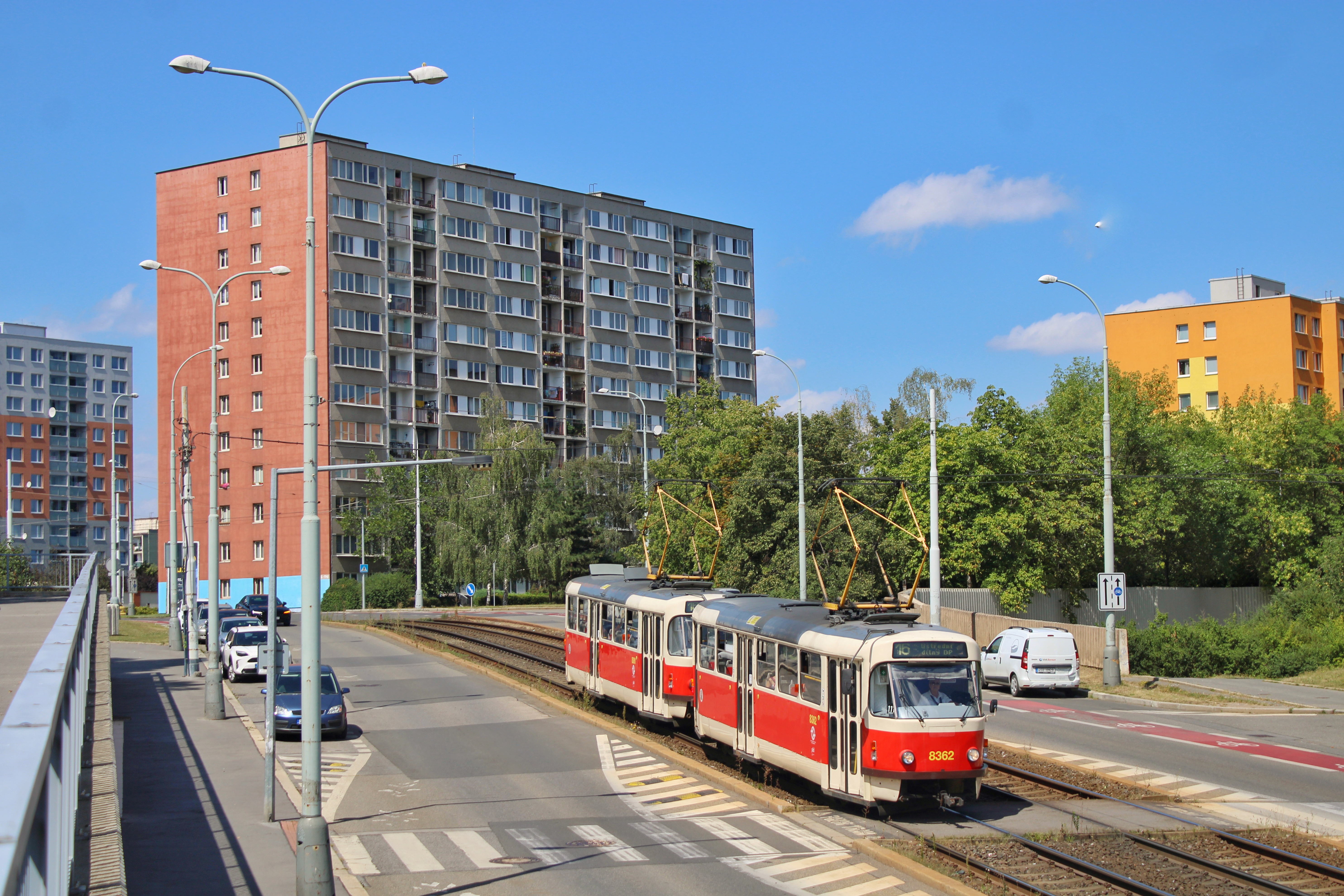
Let's not forget about the fact that Prague was in the Eastern Bloc, so soviet-styled housing estates are very much there. In my opinion this creates a very interesting contrast as Prague feels like a Western European and an Eastern European city at the same time
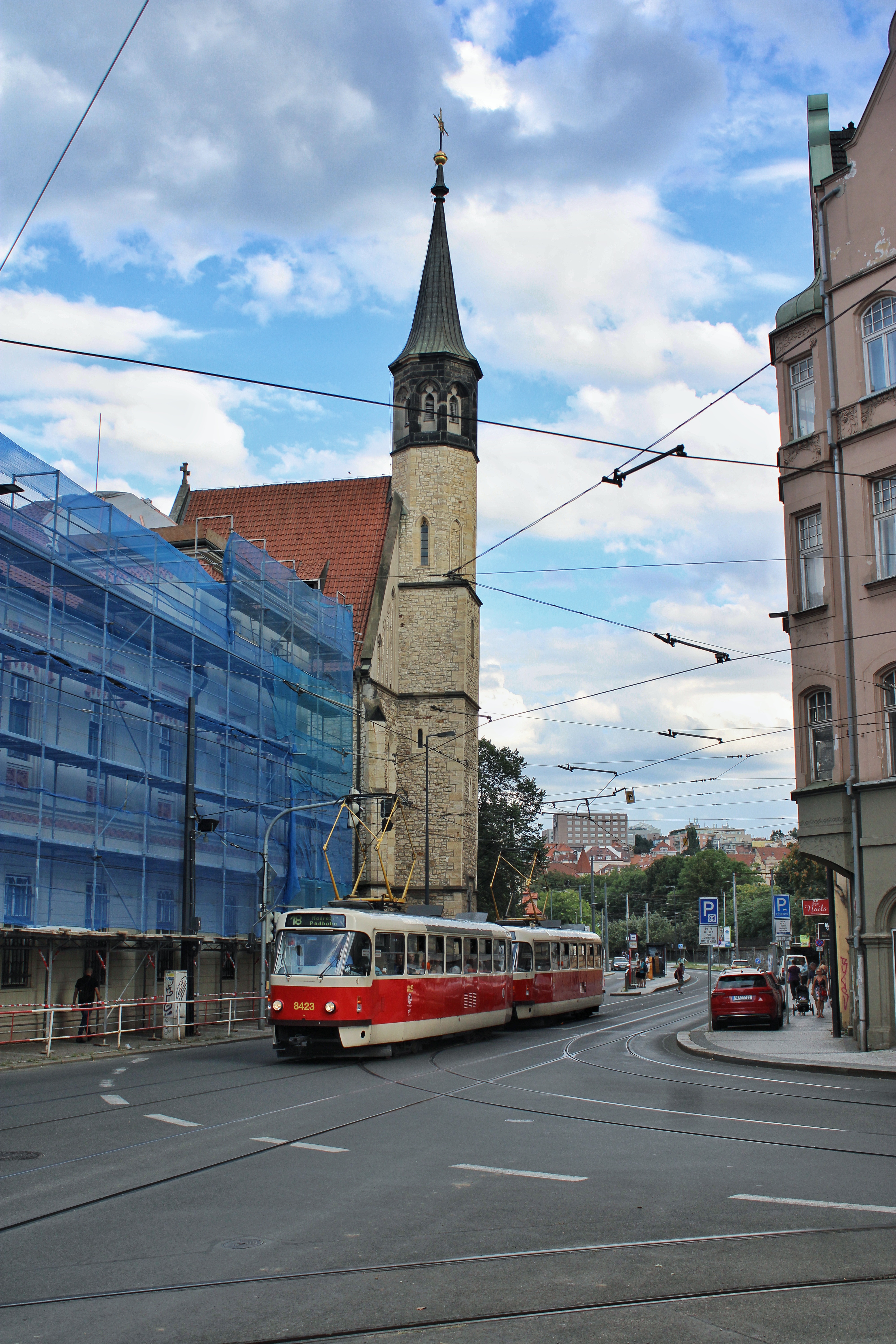
It was easy to stumble into something unexpectedly beautiful in Prague, for example I was just walking when I saw this small gothic church. It was originally built in the 14th century as part of a monastery but now it's an Orthodox Church
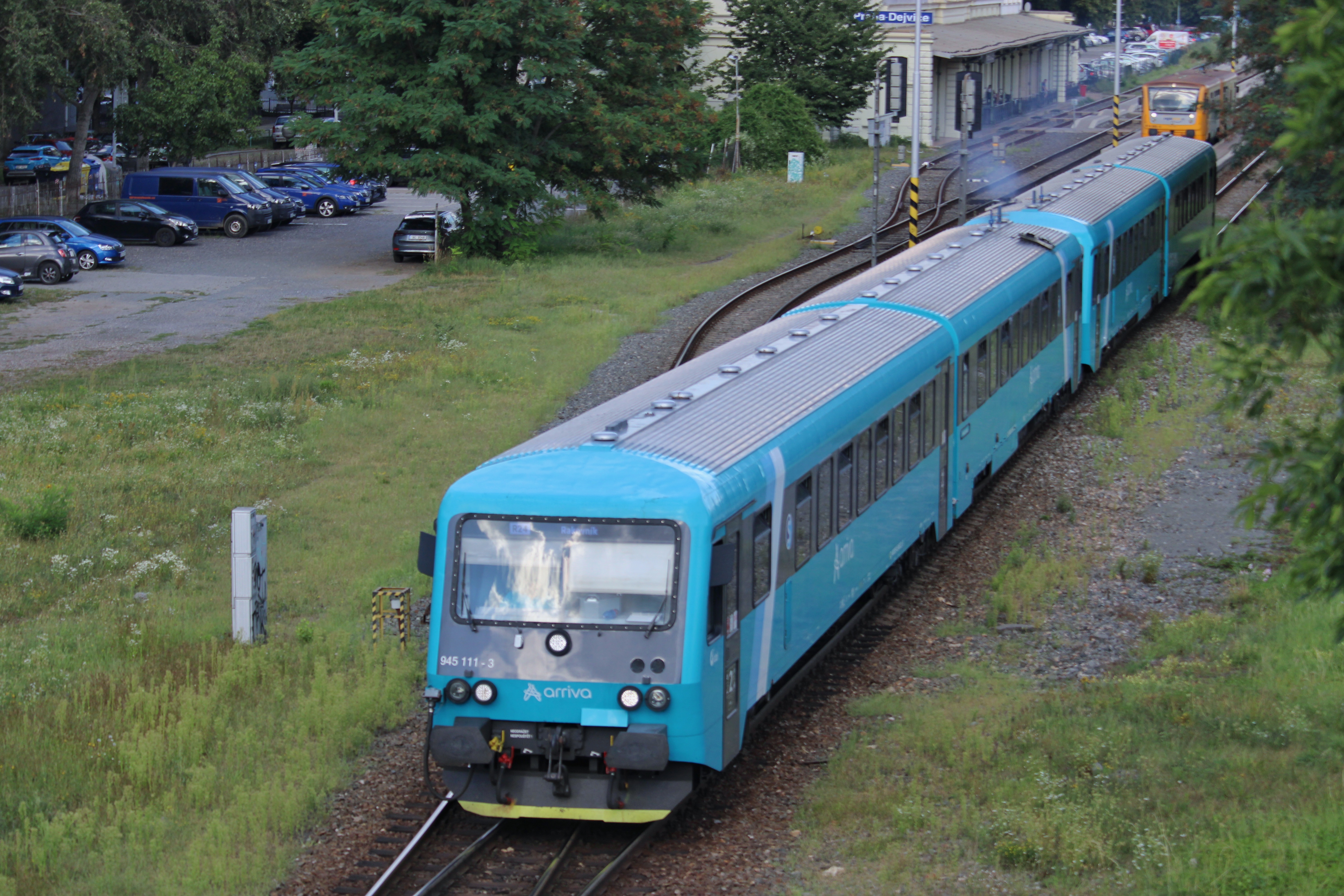
I didn't spend as much time with trains as I expected, but I still made some photos of railway traffic there. One of the biggest surprises was when I found Praha-Dejvice station which is not only in the downtown but it also lacks any kind of overhead wires so it's used exclusively by diesel trains. There are a few railway operators around Prague besides České Dráhy, one of them is Arriva who have second-hand DMUs from Germany (they are known as Class 628/928 in Germany), one of these DMUs is leaving Dejvice towards Rakovník.
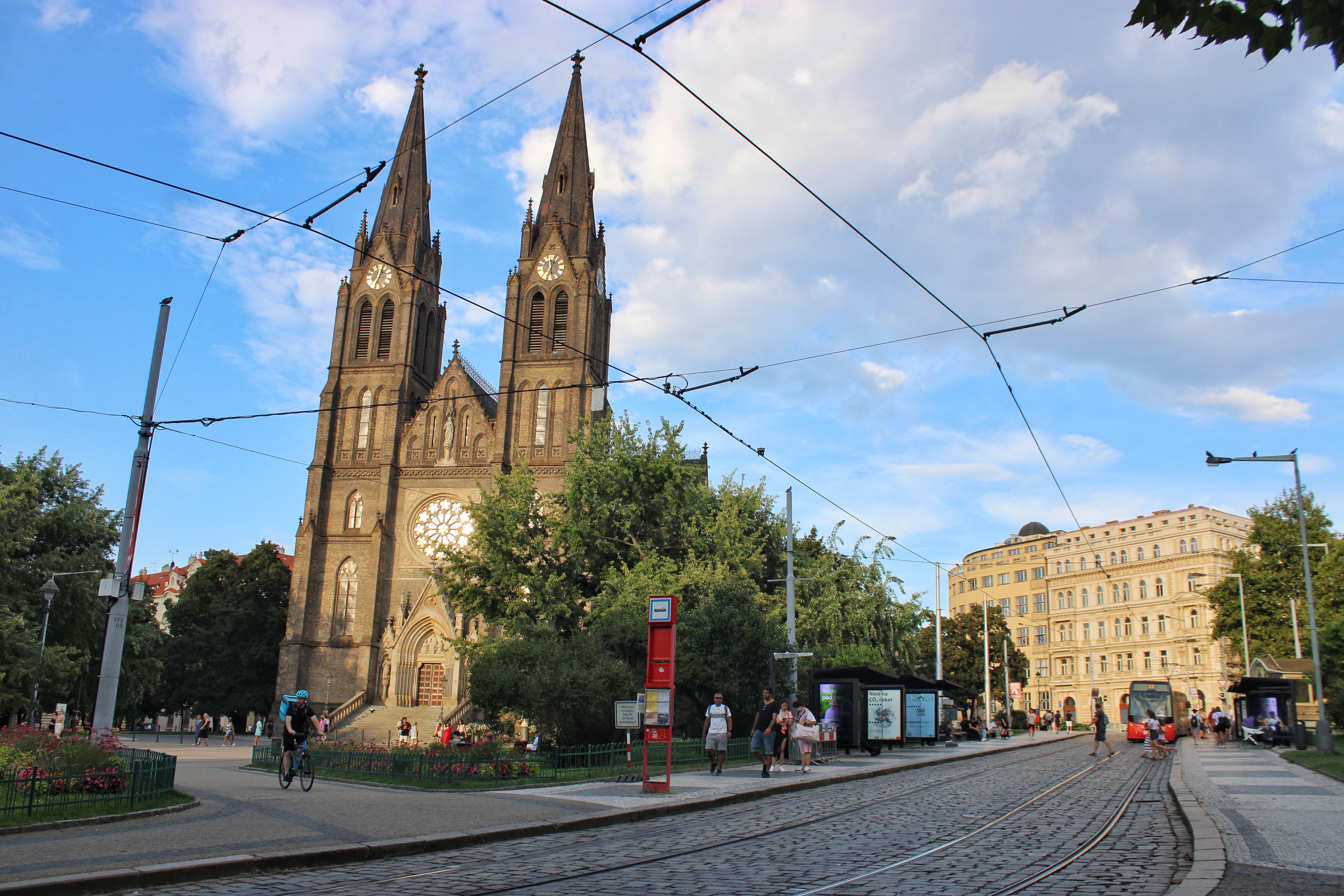
Finally a picture that lacks public transport, here's Saint Ludmila Church, it stands tall on Náměstí Míru. It's a neogothic church built in the late 19th century
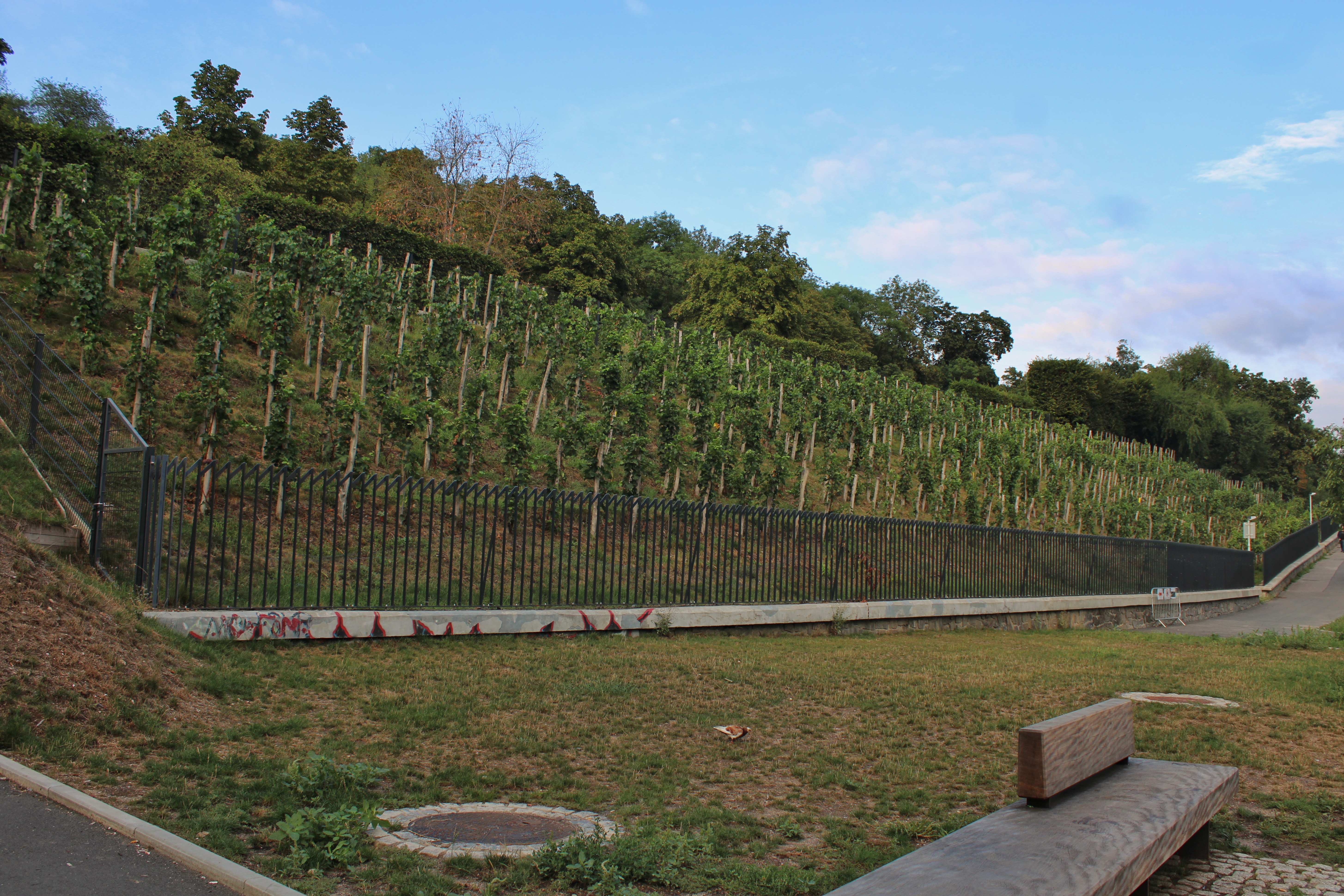
Our accommodation was Žižkov which is in the downtown of Prague and what surprised me that on the nearby hills there is an actual vineyard, it was at Tachovské náměstí, about 3-4 minutes walk away from our place